Rack System — Statewide Delaware
Pushback Rack in Delaware
High-density LIFO pallet rack — 2 to 6 pallets deep per lane, gravity-fed nested carts, standard counterbalance forklift compatible.
Pushback Rack supplied and installed across Delaware. Free, no-obligation quotes.
// Overview
Pushback Rack in Delaware
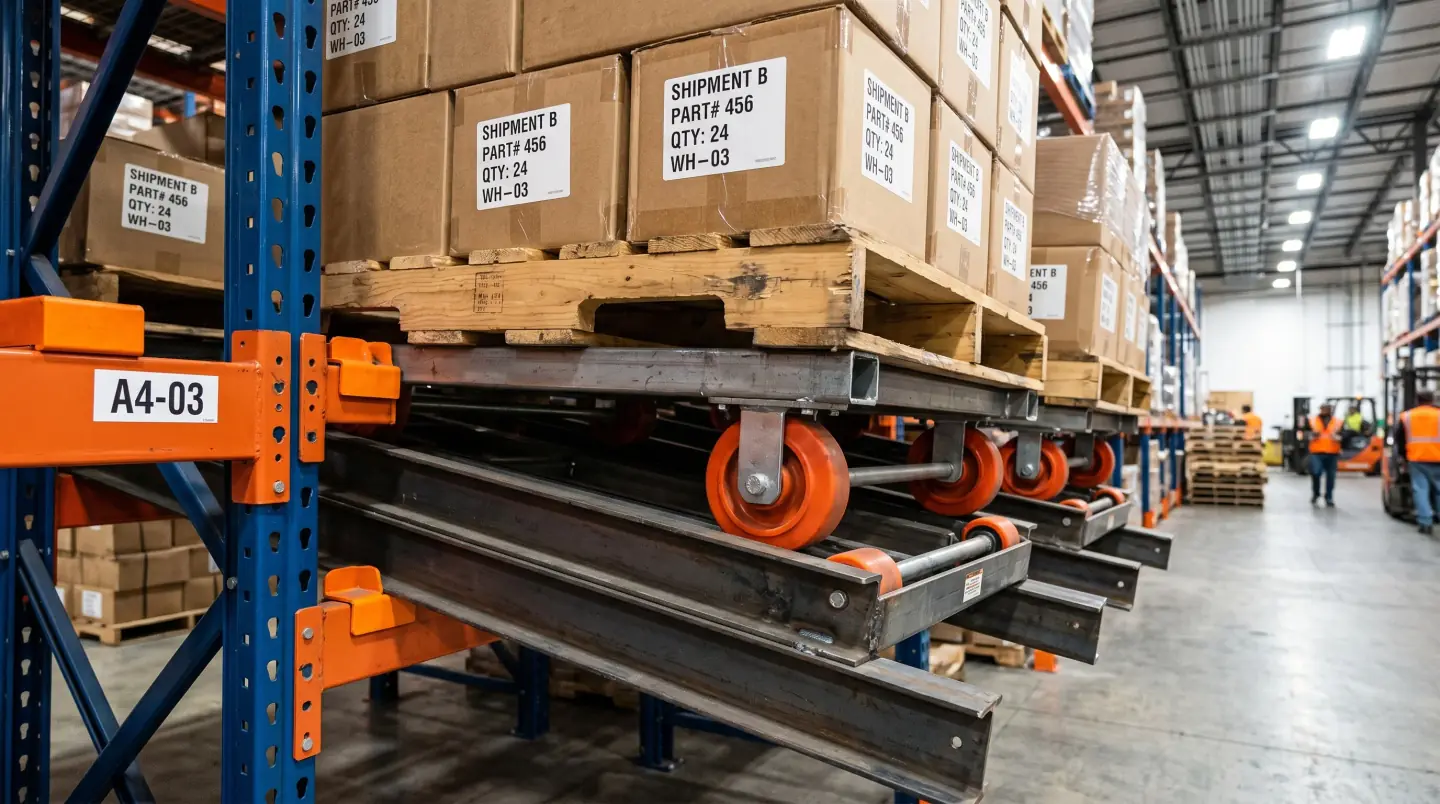
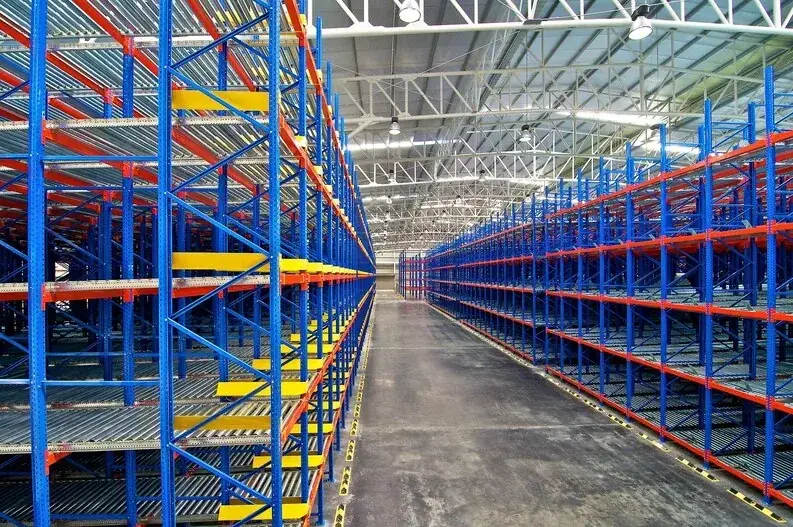
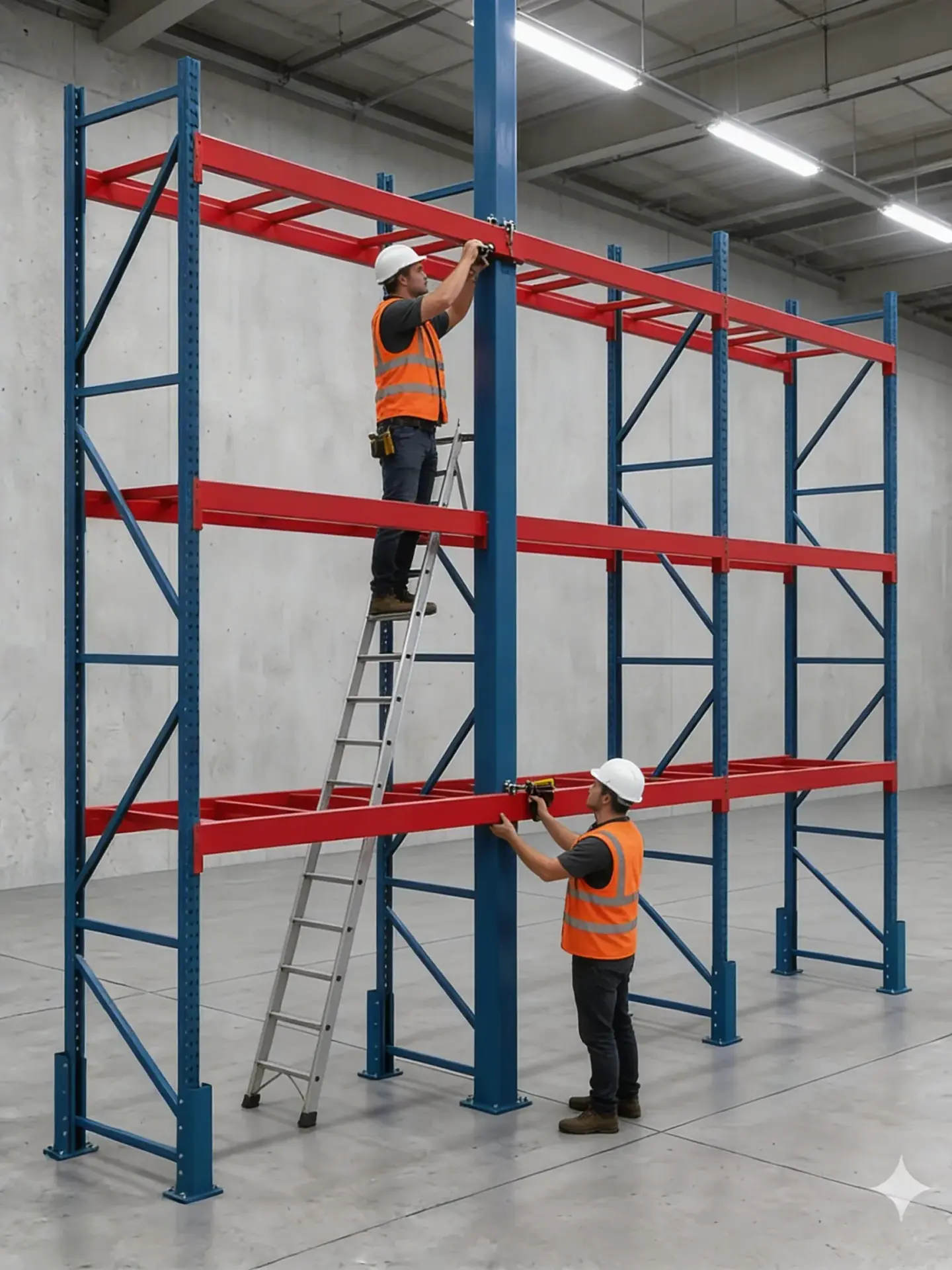
Pushback rack is a high-density cart-based storage system that stores 2 to 6 pallets deep in each lane on gently inclined rails. When you load a pallet, the previous pallet is pushed back on nested carts; when you pick, gravity rolls the next pallet forward into pick position automatically. The result is roughly 1.8 to 2 times the pallet positions of selective racking in the same footprint — without the forklift-entry damage risk of drive-in rack, and without investing in specialized trucks. Pushback is the default high-density choice for Delaware cold storage, beverage distribution, and CPG operations where SKU homogeneity allows lane-level grouping and LIFO rotation is acceptable. Delaware Pallet Racking designs, supplies, and installs pushback systems engineered to the Delaware State Building Code (IBC-based) and RMI ANSI MH16.1-2023, with full seal-stamped drawings and permit support for every install throughout Delaware.
- Nearly double the pallet positions of selective racking in the same footprint
- Zero forklift entry into rack eliminates the leading cause of upright damage
- Standard counterbalance compatibility — no specialized truck fleet investment
- Faster picking than drive-in because trucks never leave the aisle
// What you get
Product features
- 2, 3, 4, 5, and 6-deep lane configurations
- Nested steel cart system on polyurethane wheels, powder-coated finish
- Gravity-feed inclined rails — no power or activation required
- Compatible with 42" × 48" GMA and custom pallet footprints
- Teardrop roll-formed or structural-channel upright options
- Engineered to Delaware State Building Code (IBC-based) and RMI ANSI MH16.1-2023
- Sealed structural drawings provided for every Delaware installation
// Spec sheet
Pushback Rack at a glance
// Specifications
Inclined rails & nested carts
Each lane is built from steel rails pitched at 3 to 6 percent, with nested wheeled carts stacked one inside the next — one cart per pallet position beyond the front.
Load from the aisle
Forklift sets a pallet on the top cart. Adding the next pallet pushes the prior pallet back; carts nest smoothly beneath each successive load.
Gravity feeds retrieval
Pull the front pallet and the next cart rolls forward on its own into pick position. No power, no activation — just the incline.
// Fit check
Is it right for you?
// Choose it when
- You store 2 to 6 pallets of the same SKU together and LIFO rotation is acceptable
- Cold-storage energy costs make wide-aisle drive-in forklift traffic expensive
- Upright damage from in-rack forklift traffic is a documented cost in your facility
- You need 1.8–2× selective density without investing in a reach or narrow-aisle fleet
- You want high density but need faster cycle times than drive-in allows
// Consider alternatives when
- You need strict FIFO rotation for dated inventory — consider pallet flow instead
- Every pallet in a lane is a unique SKU — stay with selective racking
- You need lane depths greater than 6 pallets — consider drive-in or pallet flow
- Your fleet already runs reach trucks and you want maximum density at lowest cost per position — consider drive-in
// Where we install it
Delaware use cases
Cold storage — Port of Wilmington, Wilmington waterfront corridor, New Castle County
Delaware cold chain operators use pushback to compress footprint while keeping forklifts in wider conditioned aisles — which matters because every cubic foot of conditioned air lost to forklift traffic is reload energy on the rack.
Beverage distribution — Wilmington, Port of Wilmington
Performance Food Group and regional beverage distributors run homogeneous SKU pallet lots — a perfect fit for pushback lane grouping and LIFO rotation on fast-moving products.
CPG & grocery DC — Christiana logistics corridor, New Castle County
Food distributors and grocery DCs in the Delaware corridor use pushback for pre-shipment staging and bulk SKU storage where same-SKU lane depth is the planning unit.
Pharma & life sciences — Wilmington pharma corridor (DuPont/Chemours/AstraZeneca/Incyte)
Buffer storage for JIT feeds to Delaware and mid-Atlantic manufacturers in the Wilmington pharma corridor — pushback provides density for repetitive SKUs without risking rack hits from the line-side reach trucks.
Paper & packaging — Newark area, New Castle County
Corrugated, stretch film, and label stock run in high-volume homogeneous SKUs. Pushback cuts the pallet-position footprint without forcing the plant into a specialty truck fleet.
// Straight answers
Pushback Rack questions
01 How many pallets deep can pushback rack go?
Standard configurations run 2, 3, 4, 5, or 6 pallets deep per lane. Deeper lanes (7+) can be engineered but are uncommon because cart-nesting tolerance and pallet-quality variation create jam risk beyond 6 deep. Most Delaware installations land at 3 or 4 deep as the balance point between density and operational reliability.
02 What is the weight limit per pallet in pushback rack?
Typical pushback systems are rated to 3,000 lbs per pallet position, with structural systems rated to 4,000 lbs. Cold-storage beverage and food-grade CPG loads sit comfortably inside standard ratings. Heavier loads — metal coils, automotive castings, some construction product — usually require structural systems or an alternative rack type entirely.
03 Can I mix SKUs in the same pushback lane?
You can, but each lane rotates LIFO — the last pallet loaded is the first one picked. If two SKUs share a lane, the rearmost SKU is inaccessible until the lanes in front of it are cleared. For FIFO-critical inventory (food with tight code dates, dated pharmaceutical lots), pallet flow rack is the better choice.
04 Does pushback require specialized forklifts?
No. Pushback is designed to work with standard counterbalance forklifts because the forklift never enters the rack. This is a major advantage over drive-in systems, which typically need reach or narrow-aisle trucks. You load and pick from the same aisle with whatever fleet you already operate.
05 How does pushback compare to drive-in rack?
Both are LIFO and both increase density over selective, but drive-in trades more density (2–10 pallets deep) for higher rack-damage exposure because forklifts enter the rack structure. Drive-in pallets also sit on side rails rather than beams. Pushback is typically the right call when your fleet is not already running reach trucks and you want to minimize ongoing rack repair spend.
06 How much does pushback racking cost?
Pushback rack typically runs $160–$180 per pallet position in materials — roughly two to three times selective — plus installation that runs higher than selective because of the cart-and-rail assemblies. The offset: 2–6 pallets deep per lane means far more storage per square foot. Delaware Pallet Racking quotes pushback fixed-price after a free lane-count and SKU review.
07 What is the typical ROI versus selective racking?
Pushback costs roughly 2× per pallet position versus selective, but delivers 1.8 to 2.0× the positions in the same footprint. The ROI math usually sits outside the rack itself: avoided building expansion, reduced aisle count, and lower energy costs in cold-storage environments. Most Delaware pushback projects pencil out in 18 to 36 months when building expansion would otherwise be on the table.
// More from us
Other rack systems
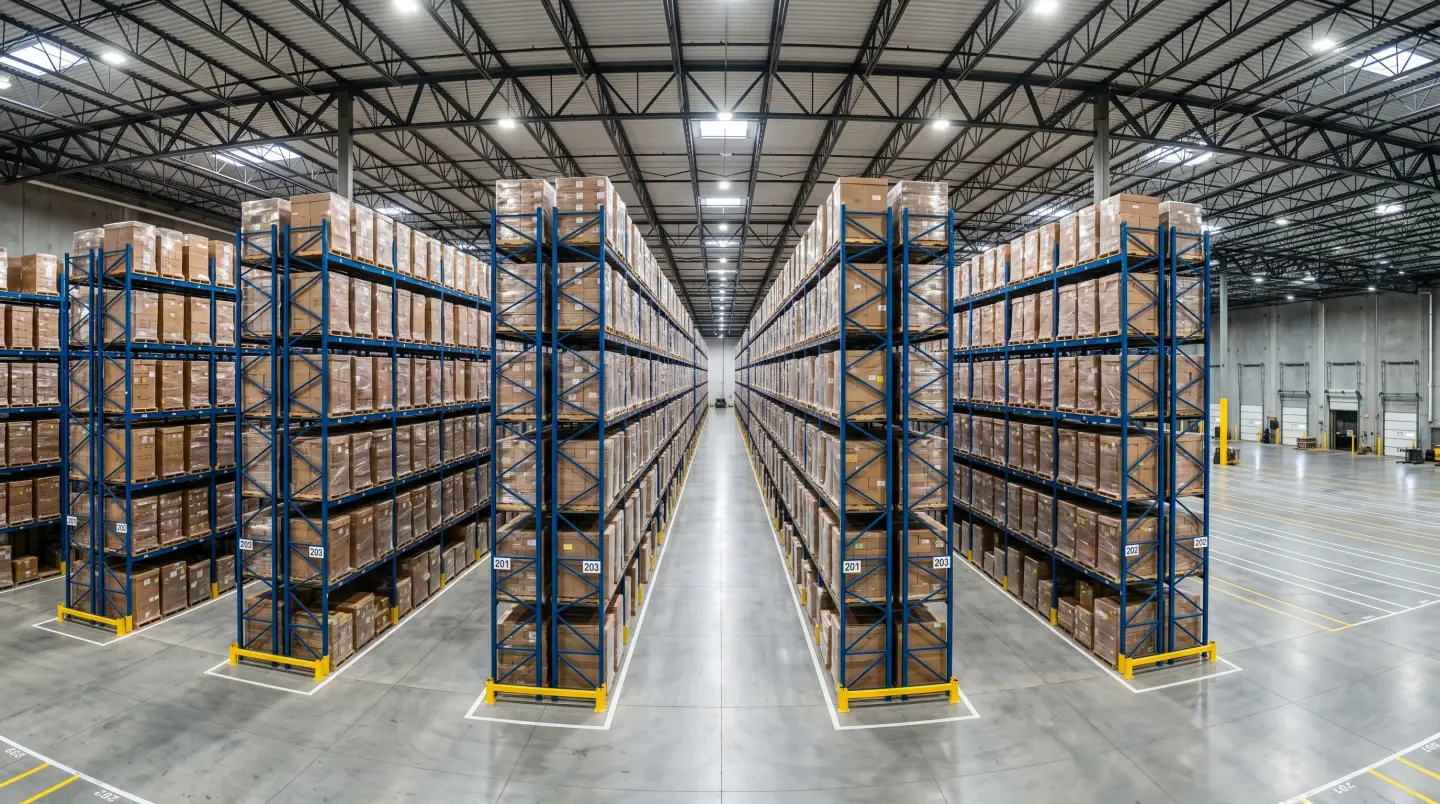
Pallet Racking & Shelving
Learn More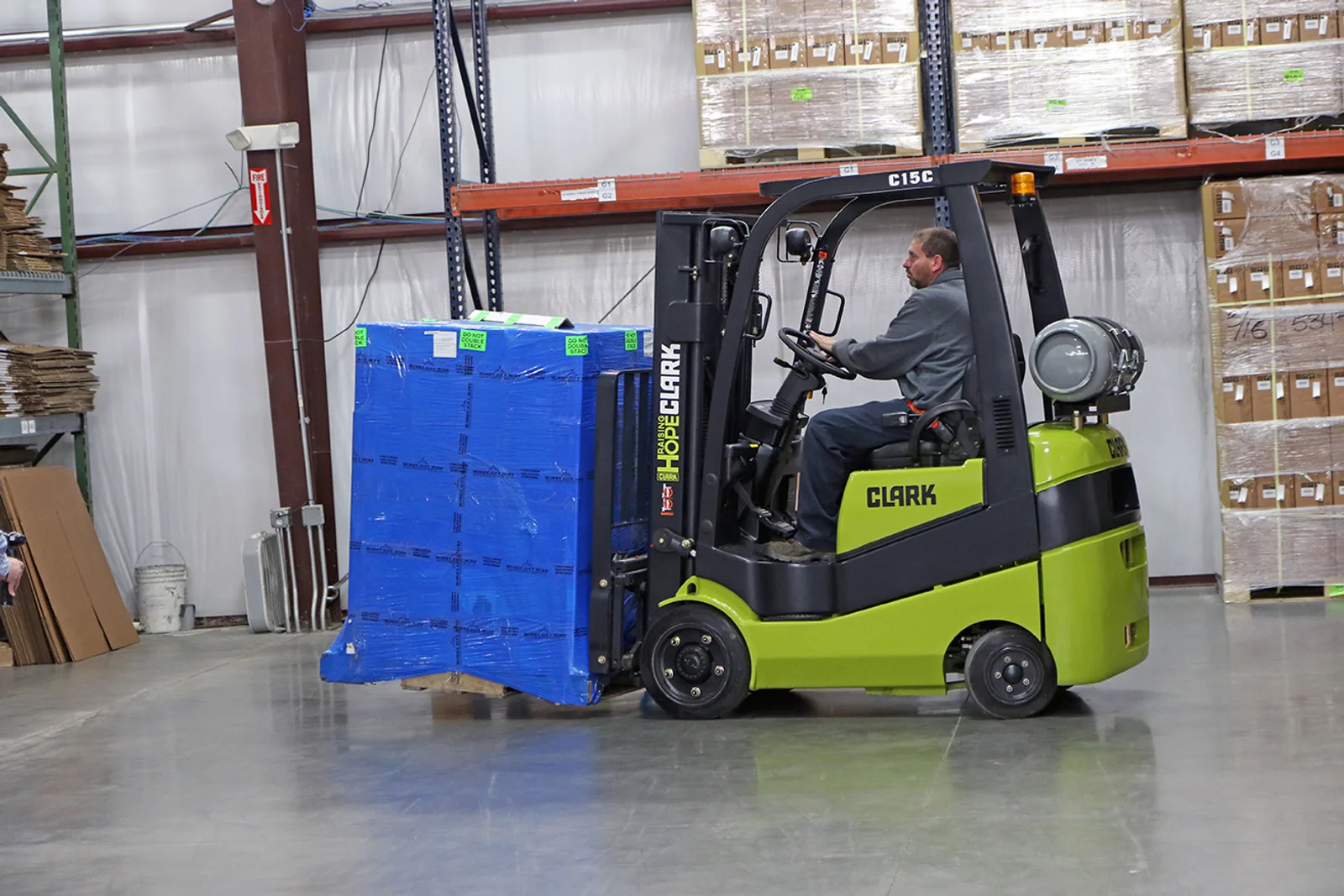
New Forklifts
Learn More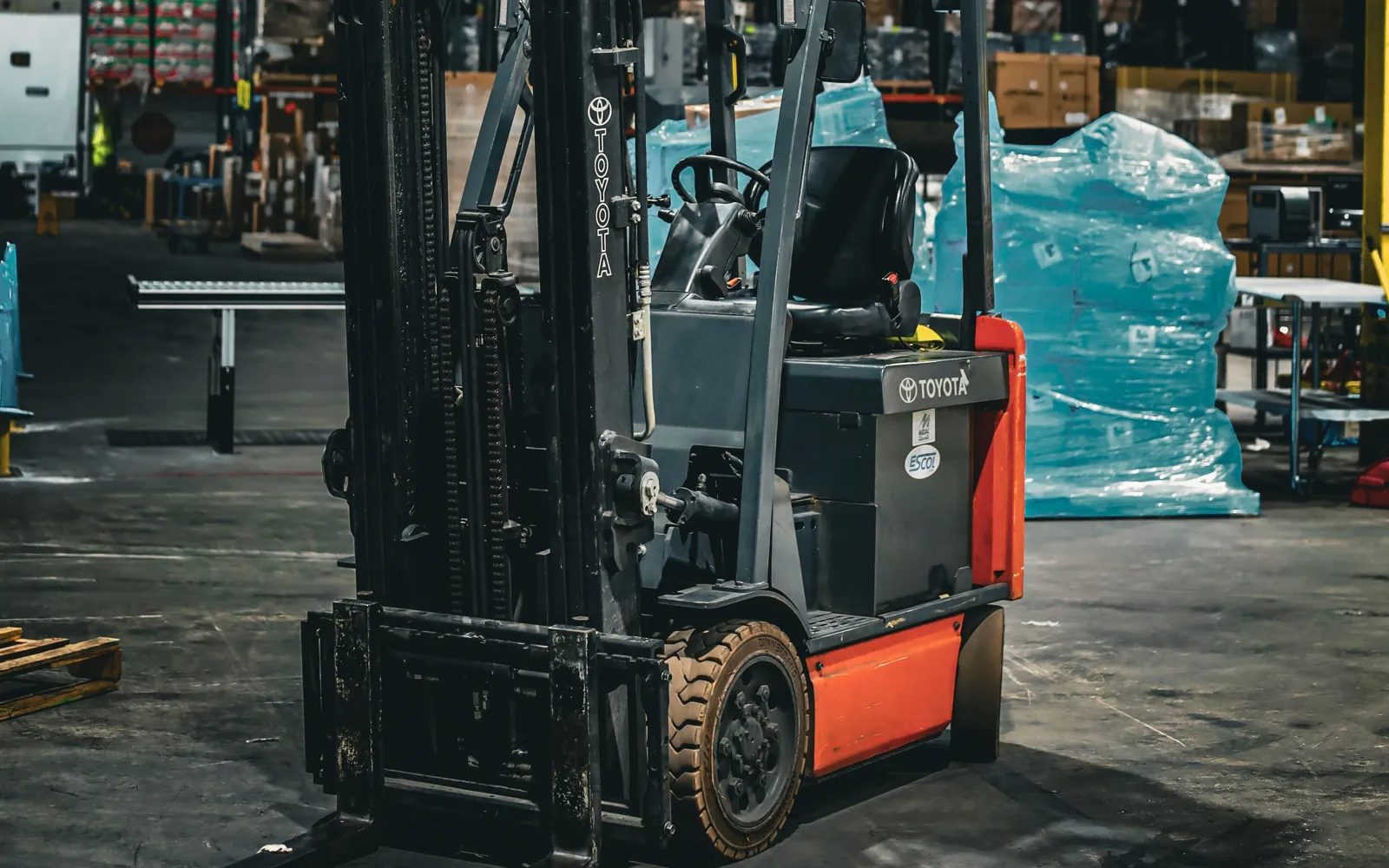
Used Forklifts
Learn More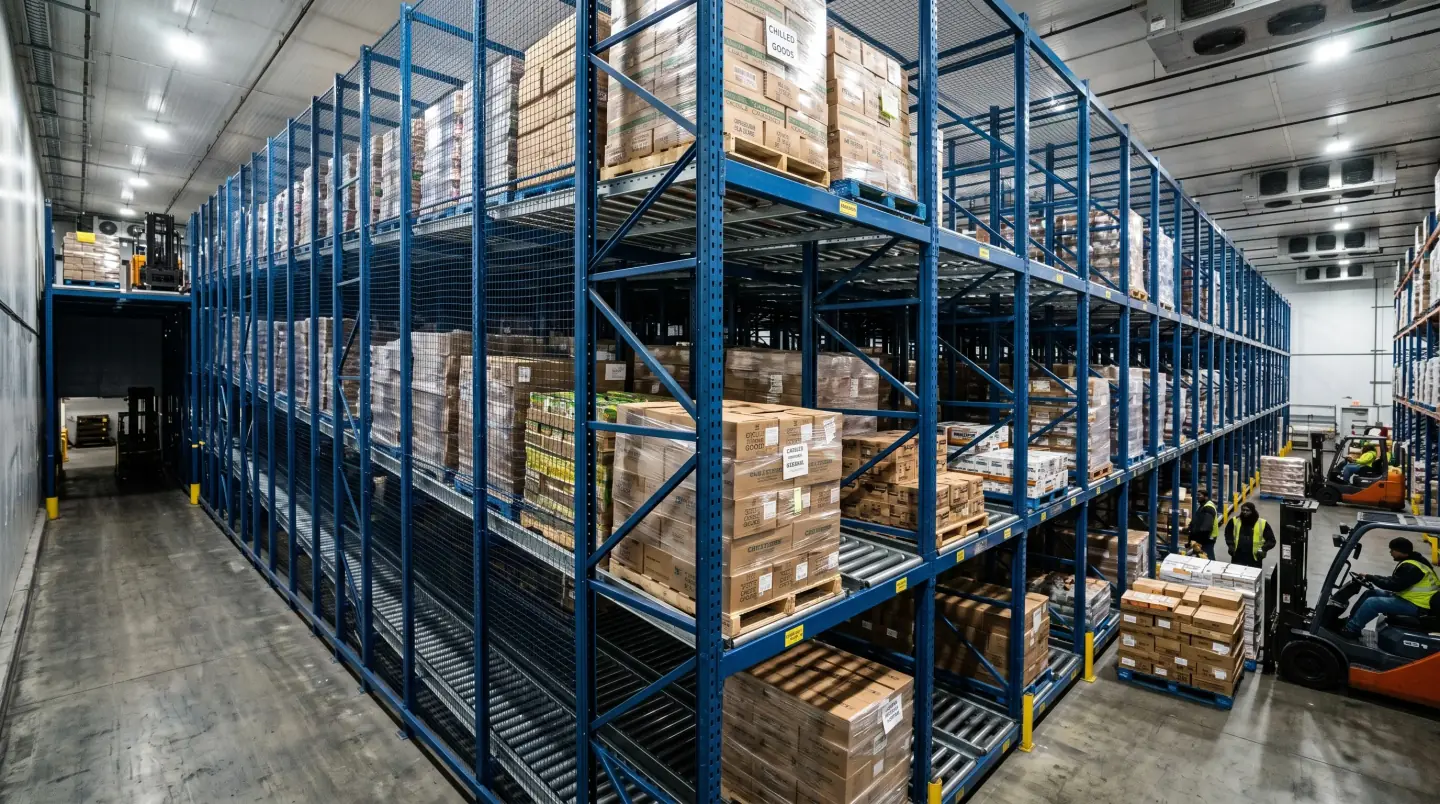
Pallet Flow Rack
Learn More// Where we work
Pushback Rack across Delaware
We deliver pushback rack to warehouses in all three Delaware counties — New Castle, Kent, and Sussex — plus the neighboring Pennsylvania, Maryland, and New Jersey line. Pick your area for local permitting details, typical ceiling heights, and the industries we work with there.
- Wilmington, DE Pushback Rack
- Newark, DE Pushback Rack
- New Castle, DE Pushback Rack
- Dover, DE Pushback Rack
- Middletown, DE Pushback Rack
- Smyrna, DE Pushback Rack
- Claymont, DE Pushback Rack
- Bear, DE Pushback Rack
- Milford, DE Pushback Rack
- Seaford, DE Pushback Rack
- Georgetown, DE Pushback Rack
- Lewes, DE Pushback Rack